
July 7, 2026
Heard It On The Grapevine VII: Drinking Like Dracula
Count Dracula preferred blood to wine, but his personal tastes didn’t stop him from keeping a well-stocked cellar (he was clearly capable of being a great host when he wasn’t murdering you). In Bram Stoker’s 1897 novel, Dracula serves an unsuspecting guest some roast chicken and ‘a bottle of old Tokay’, which readers at the time would’ve recognised as a sweet wine beloved by the rich and royal. Admirers of this Hungarian vintage, also known as Tokaji, have included Joseph Haydn, Catherine the Great, and King Louis XIV.
But even though sweet and dessert wines have been status symbols for centuries, their drier counterparts are now overshadowing them. Perhaps it’s high time for us to reverse that trend, and enjoy some the sweeter things in life.
Ancient Romans loved their sweet wines, particularly a variety called Falernian, which reputedly (and improbably) had such a high alcohol content that it could be lit on fire. Like its modern-day counterparts, it was made from grapes that were harvested late and allowed to partially dry. Late-harvest wines allow the grapes to ripen and dehydrate, concentrating their juice into a sweeter syrup; a similar effect is achieved by drying harvested grapes, a method still used to make dessert wines like Tuscany’s Vin Santo.
These techniques require sunlight, but similar effects can be created by its absence. Ice wine is made from grapes that have frozen on the vine: if harvested and pressed swiftly, their water content can be removed in the form of ice, yielding wines with punchy sweetness and acidity. It needs workers who can harvest quickly during bitterly cold nights or early mornings, and of course the cooperation of the weather—ice wine originated in Germany, but Canada is the world’s largest producer.
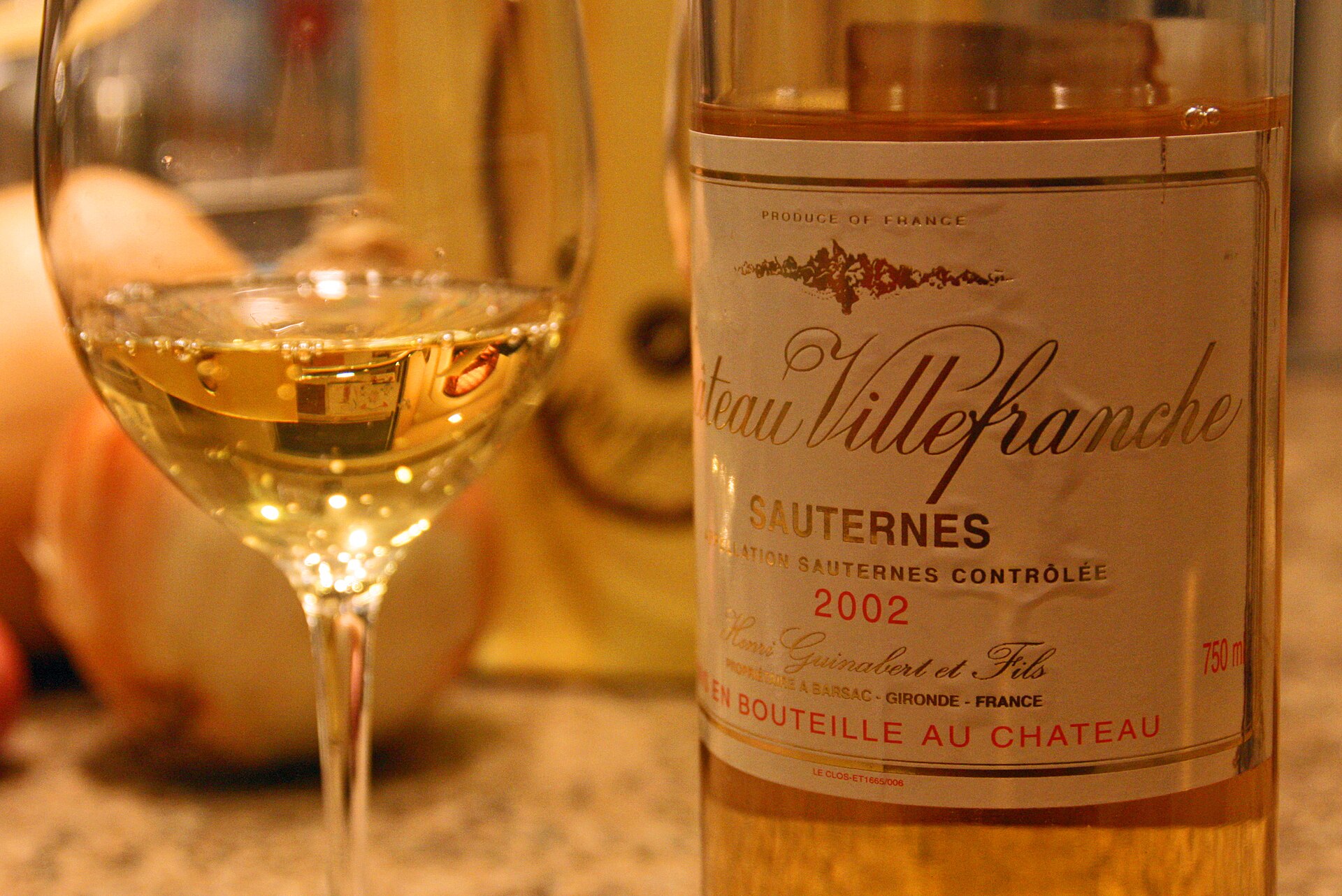
And yet that might not even be the most laborious dessert wine to make. Noble rot, or Botrytis cinerea, is the unappealing name of a fuzzy grey fungus that, under normal circumstances, can destroy a grape crop. But if the weather’s just right, the fungus-affected grapes, selected painstakingly by hand, are the basis of luxurious wines like French Sauternes or the aforementioned Tokaji.
There are also sweet fortified wines like port, sherry, and madeira, which are prepared by adding spirits that boost their alcohol content. But no matter where their sweetness comes from, dessert wines are drinks to be savoured. A Sauternes such as a 2008 Chateau Sigalas Rabaud or 2010 Château d’Yquem (both available in our store) will boast intense aromas often compared to apricots or honey, exquisite served with ripe fruits, desserts, or simply alone in a glass.
However, these wines don’t just pair well with pudding. Their sweetness and tartness balance the pungent savouriness of cheeses like Stilton, the pairing of chilled glasses of Sauternes and decadent foie gras is a French classic, and modern sommeliers are experimenting with unexpected combinations of savoury dishes with sweet wines. Decanter magazine has even featured a Manhattan restaurant that uses the mellow honey notes of a 1997 Doisy-Daene to complement roast chicken.
Maybe Count Dracula really did know how to pick the best wine; so here’s to one of his elegant habits… one that it isn’t illegal to try at home.
Photo by Biskuit, CC BY-SA 2.0 via Wikimedia Commons