
June 1, 2026
Heard it on the Grapevine VI: Wine-Pocalypse!
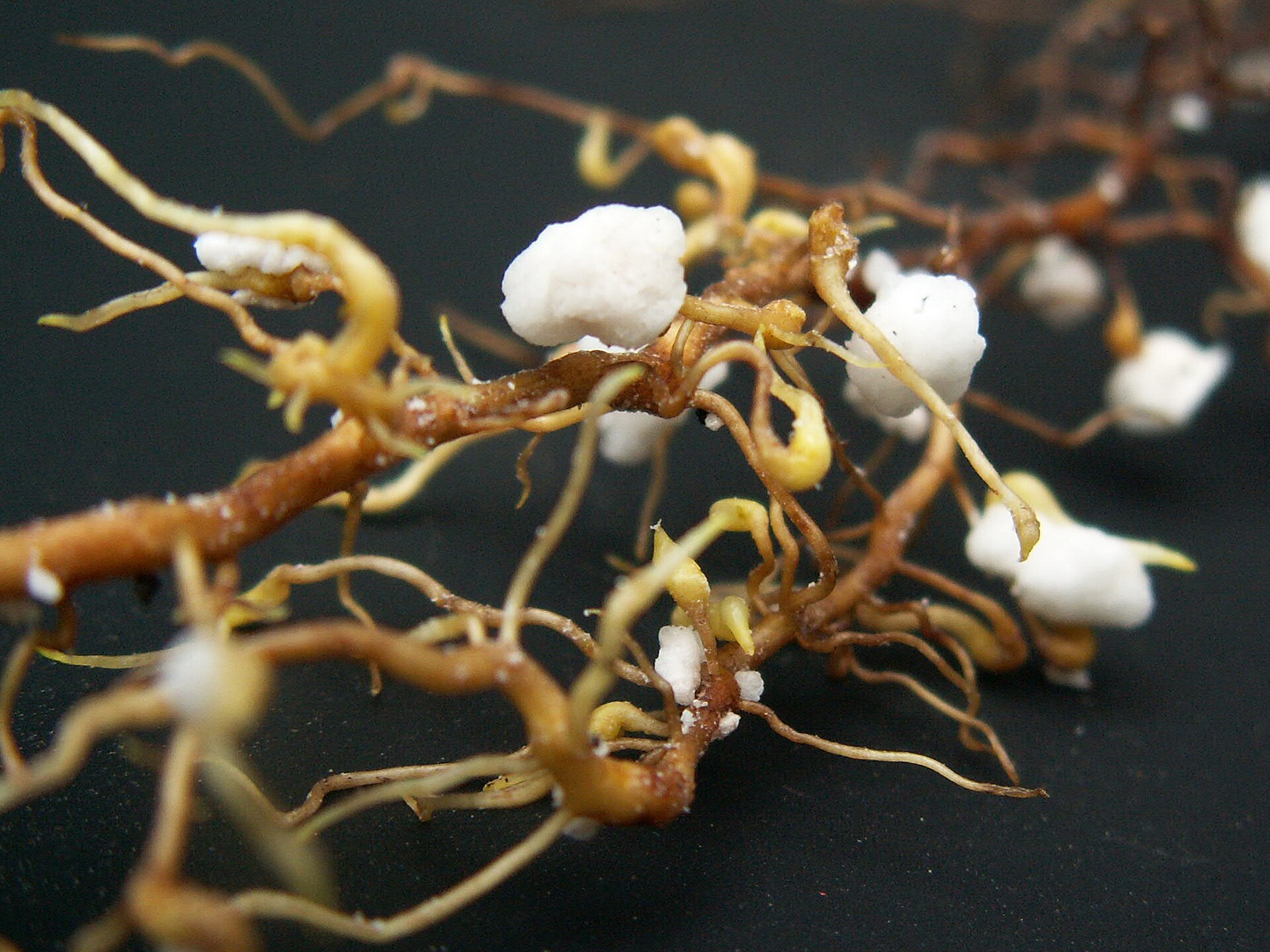
If winemakers wrote horror movies, the Great French Wine Blight would be their most terrifying blockbuster. This disaster tore apart 19th-century European winemaking and shaped this industry in the modern day. The story of its devastating impact begins with the blight itself, a ruthless and invisible killer.
The first signs of danger were spotted in 1863, when winemakers in the French village of Pujaut noticed their vines yellowing and dying. It didn’t take long for this mysterious menace to spread across France and further into Europe. Vintners resorted to burning their ancestral grape vines in hopes of stopping its spread, while wine production slumped across the continent. According to the Wine and Spirit Education Trust, almost two-thirds of Europe’s vineyards had been destroyed by the late 19th century, causing untold economic damage.
Faced with these existential threats, people tried desperate measures. The French government offered thousands of francs to anyone who could invent a chemical remedy, while vineyards attempted cures like applying powerful disinfectants like carbon disulfide. Other growers resorted to folk practices such as burying a live toad beneath the grapevines, in hopes that this would somehow draw out poisons. Eventually a solution was found, much to the relief of the farmers—and, presumably, the toads.
A team led by botanist Jules Émile Planchon realised that the blight was caused by phylloxera, near-microscopic insects that feed on grape plants. They’d originated in America, whose native grape vines had evolved resistance to the insects, and had been unwittingly transported to vulnerable European vineyards via the brand new technology of steamships.
‘The phylloxera, a true gourmet, finds out the best vineyards and attaches itself to the best wines,’ declared an 1890 cartoon in the satirical magazine Punch, depicting the insect as a cigar-smoking, wine-swilling bon vivant. Collaborating with American experts, Planchon eventually persuaded vintners to embrace a radical solution against this luxuriously-living bug: grafting French vines onto blight-resistant American roots.
French winemakers were sceptical of mixing their precious plants with untested New World varietals, but it proved to be the only viable option. By the 1870s and 1880s this process, called ‘reconstitution’, had begun the wine industry’s long and arduous recovery. In many ways, the blight paved the way for modern winemaking, turning scientific scrutiny into a key tool in the vintner’s arsenal.
There is still no cure for phylloxera, though some vines have mysteriously escaped this blight. Chile’s vineyards are free of this infection, as are a few rare European wineries. Experts disagree on why (Chile’s geographical isolation is an excellent defence, and some unaffected vineyards have unusual growing conditions that phylloxera struggles in), but rootstock grafting is still the best defence against this menace.
And yet, in the 1980s, swathes of Californian vineyards had to be replanted when a flawed rootstock succumbed to phylloxera. Botanical technology continues to advance—in 2020, researchers sequenced the insect’s genome, giving them clues to how it spread… but like any good horror movie, the story of phylloxera could well have a sequel.
Photo by Joachim Schmid, CC BY 3.0 de via Wikimedia Commons