April 15, 2026
Heard it on the Grapevine III: Staying Glassy

The rookie drinker is usually more concerned with the wine than the glass. Who can blame them? And yet, you rarely have one without the other.
Most restaurants will serve your precious elixir in a long-stemmed glass, while hipster wine bars are likely to hand you a tumbler. Unless your drink arrives in a paper cup, most of us aren't going to be too worried.
But the seasoned wine-swiller is initiated to the secrets of the glass.
But the seasoned wine-swiller is initiated to the secrets of the glass. Because a truly excellent vessel will elevate your drinking experience, allowing your vinous measure to blossom fully, revealing itself slowly like your first love, all in the name of amplifying your sensory pleasure. This isn't sheer bombast. Like pairing wine with food, there's a craft to matching wine with a glass that'll allow its complexities to shine.
So, welcome to the Bacchic whistlestop tour of key facts.
Champagne and sparkling wine are the easiest place to start. In past centuries, these bevvies were served in a broad, shallow coupé glasses. A rumour claimed that the champagne coupé was modelled on Queen Marie Antoinette's breast, but this royal connection still makes it a sucker's choice for sipping sparkly. The problem is its large surface area, which causes bubbles to go flat too quickly.
In contrast, modern champagne flutes are tall and narrow, ensuring that your drink preserves its fizz for as long as it takes you to finish up that party-starting draught and, well, start the party.

The dimensions of a glass have subtle but crucial effects for wines too. If you needed hard evidence, a 2015 study by a Tokyo university offers scientific proof that a glass' shape affects its bouquet. A wine glass' deep tulip shape disperses ethanol - the vapour from its alcohol content - in a way that prevents it from overwhelming your drink's aroma.
Excessive alcohol can trap flavour molecules and make wine taste more bitter, an issue that particularly affects tannic red wines, which benefit from being served in deep-bowled glasses that help them taste smoother. In contrast, white wines prized for floral and acidic qualities are best presented in smaller glasses, which bring your nose closer to the wine itself and help express subtler flavours. So which glass should you buy?
So which glass should you buy?
If you particularly enjoy one variety of wine (a punchy Cabernet, for example, whose aromas would flourish in a larger glass) then it could be worth investing in the ideal glass for it.
There are other practical considerations: clear glasses are recommended because they display the colour of your drink beautifully, and glasses with stems prevent your hand warming the wine (something those edgy hipsters may not have considered when dishing out the tumbler vino), although the downside is they're more fragile. However, if you're starting your journey as a connoisseur, a standard wine glass will complement most non-sparkling wines.
But the seasoned wine-swiller is initiated to the secrets of the glass...
Of course, if you'd like to make your home bar look that much fancier, it's worth going down the rabbit hole of unusual designs, such as 'Les Impitoyables le Taster' ('The Ruthless Taster'), an asymmetrical tasting glass manufactured by Peugeot. Hand-crafted with cavities on its side and a base to help you swirl and aerate its contents without changing its temperature, it's advertised as being ideal for perceiving a wine's complexities. Now there's a gadget worth mastering.
Still, you shouldn't let these options and specifications overwhelm you. As long as you understand the basics of a glass' design - and how it complements its contents - we know you're ready. Just save this page for future reference so you can always refresh your memory.
Ok, we're going to give you some final, more forensic guidance. After searching high and low, far and wide, this is our shortlist of our favourite glasses, and why.
FOR VERSATILITY...
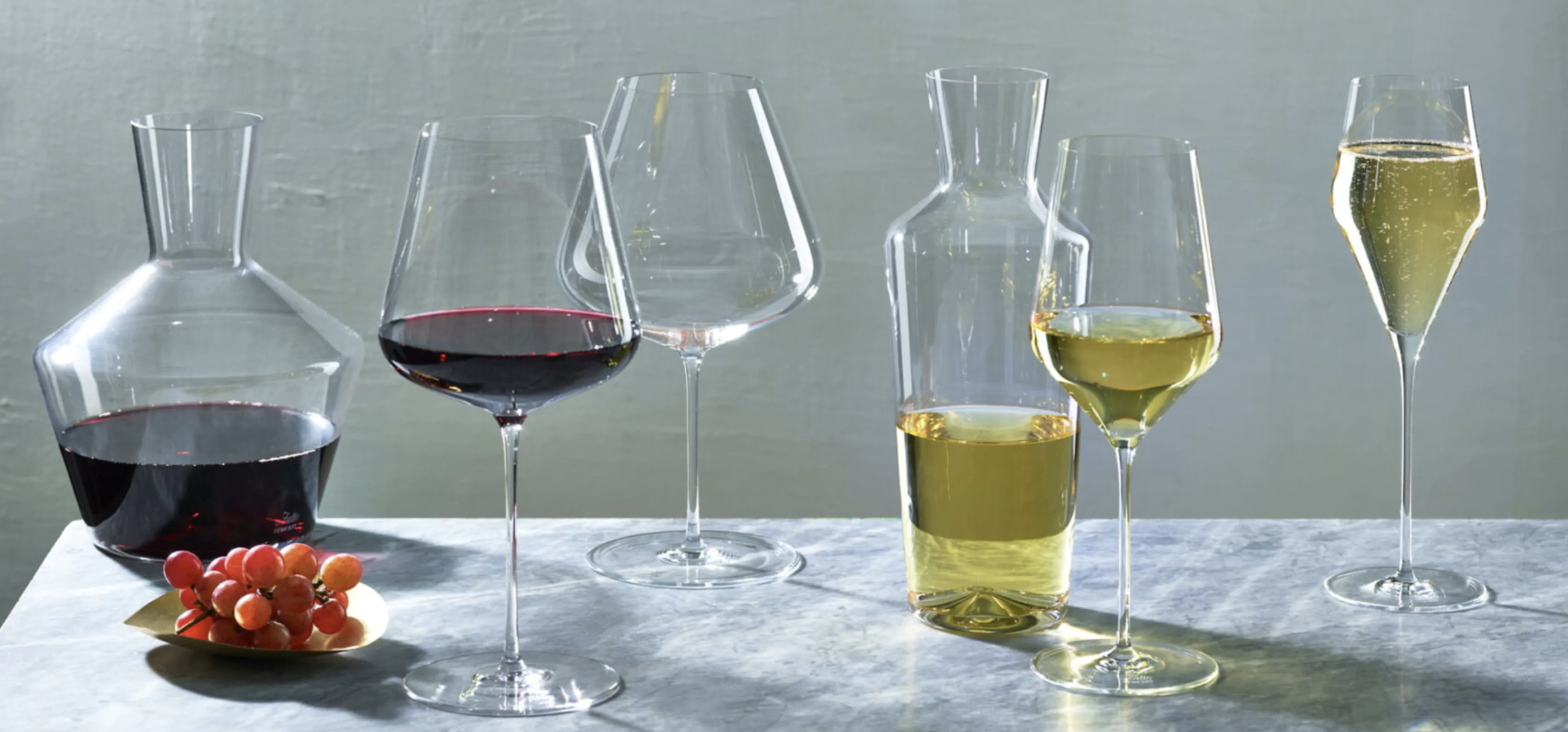
Described as 'unimprovable' by the Wall Street Journal, Zalto's acclaimed Denk'Art line of glasses includes options such as a broad Burgundy glass, marketed for aromatic red wines but just as suited for Chardonnays and Sauvignon Blancs. Explore here.
FOR FLAVOUR...
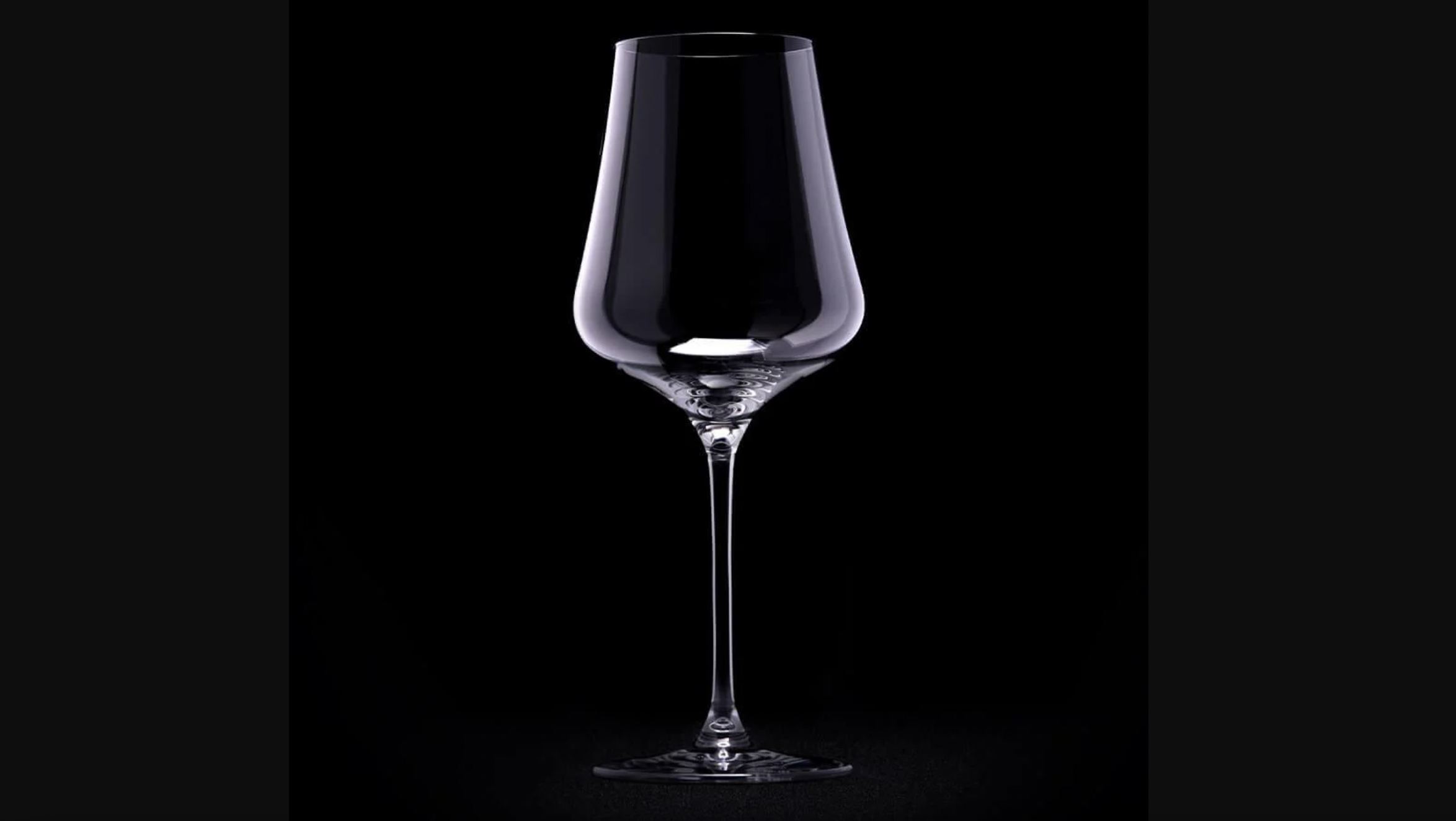
The connoisseurs at Wine Folly also highly recommend Gabriel-Glas' StandArt Universal Glass, praising it for being durable and capable of delivering nuanced flavour across reds and whites. Explore here.
FOR WHITES...
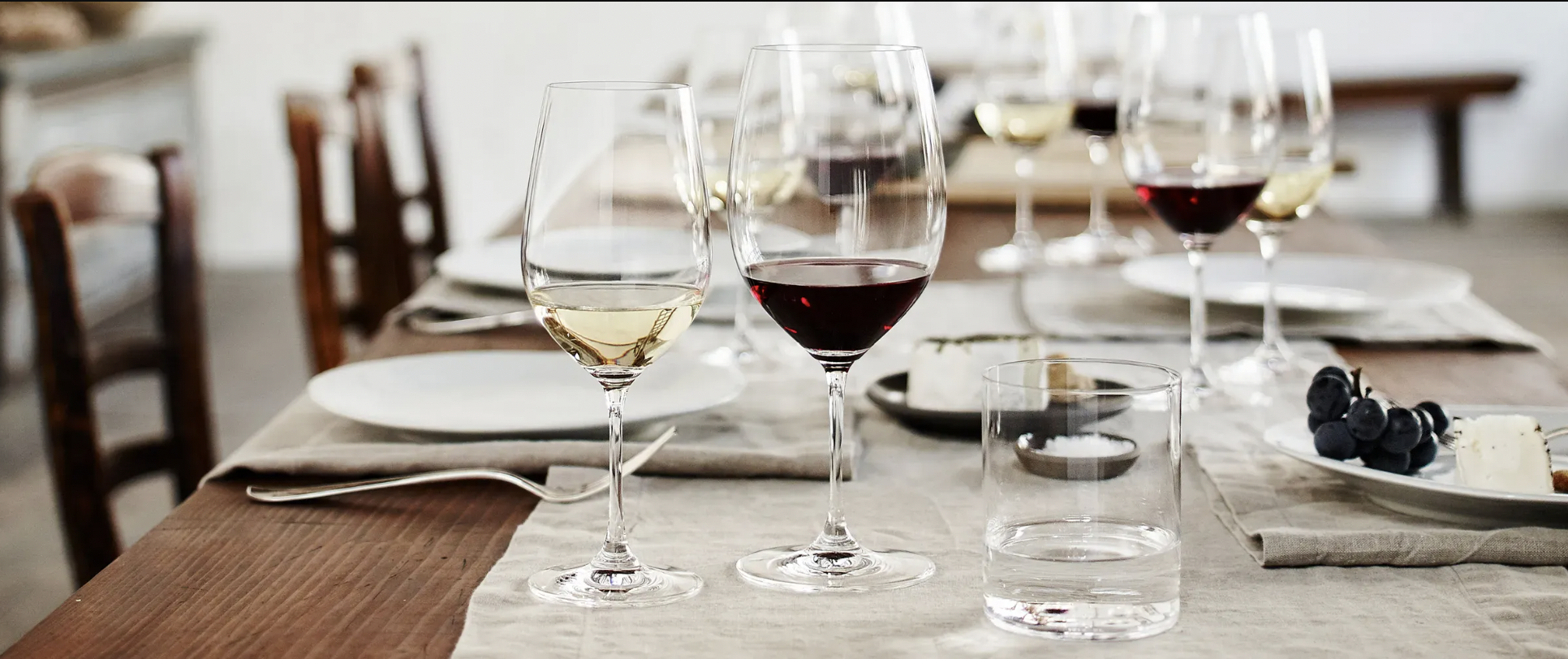
Meanwhile, if you love white wine, you might want a set of Riedel's Vinum Viognier/Chardonnay glasses, intended to work with the acidity and flavours of light, fresh vintages. Explore here.
FOR SPECIAL OCCASIONS...
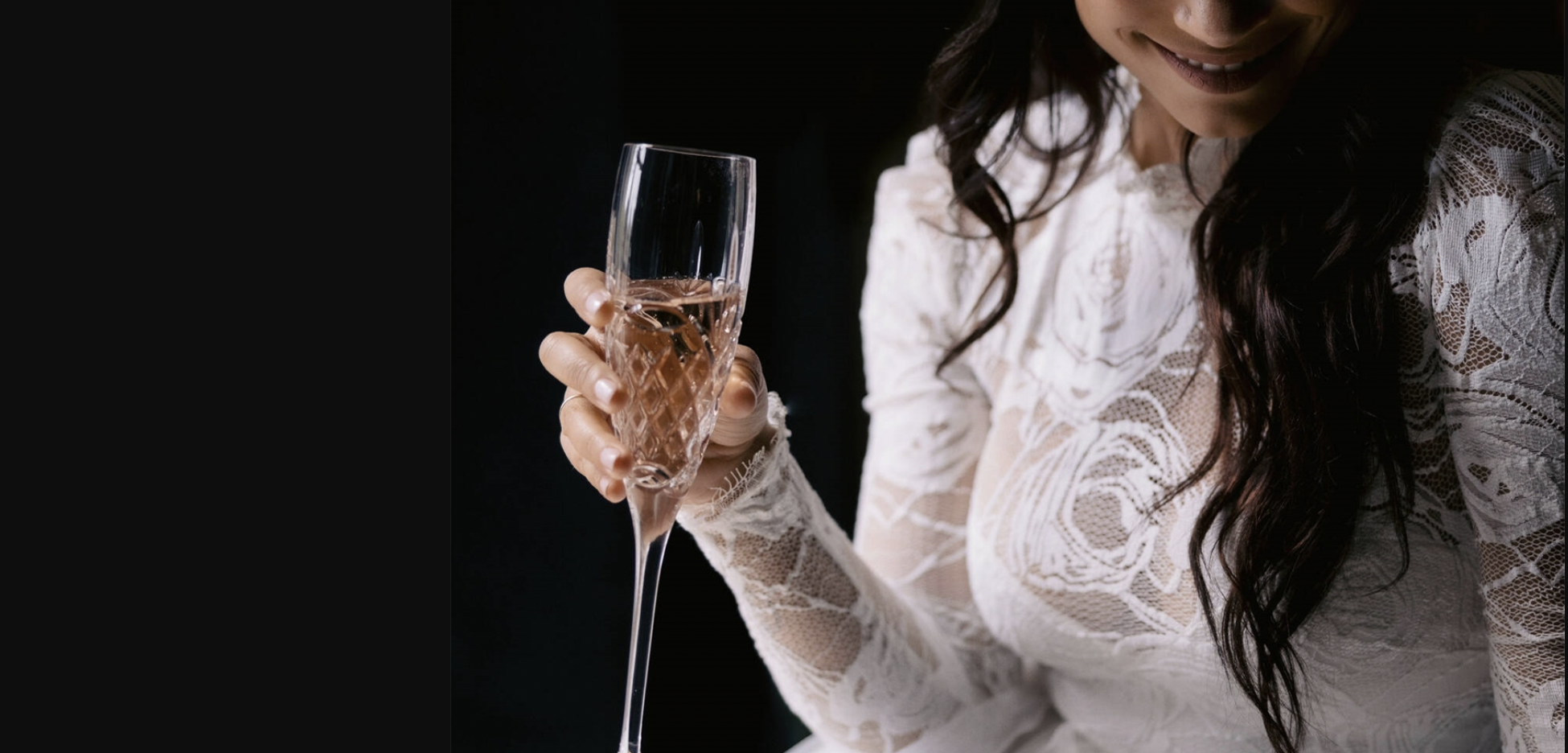
And for those special occasions, renowned cut-glass manufacturer, Waterford's champagne glasses range from classic flutes to ones decorated with spectacular cut patterns. Explore here.
Finally, if you are buying a vintage from Bacchic or looking to host a special evening with samples from your wine collection, please don't hesitate to reach out to us - we're always down to talk glasses. As with everything else in the wine world, our team is on hand to advise you on how we can make each wine moment so special it sticks forever in your memory.